Friday, August 31, 2018

Famous Indian literature figures

Famous Indian literature figures

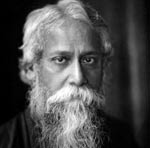
rabindranath_tagore-150Rabindranath Tagore (1861-1941) The Seer-Poet of modern India. Tagore was the first Indian to be awarded the Nobel Prize for Literature in 1913. A consummate poet, composer and artist. Returned his knighthood in protest at the mistreatment of Indians by the British.
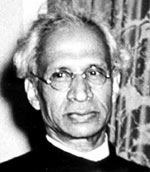
RadhakrishnanDr S. Radhakrishnan (1888 – 1975) Radhakrishnan was the foremost philosopher of modern Indian thought. He defended Hinduism and sought to make it relevant for the modern age. 2nd President of India.
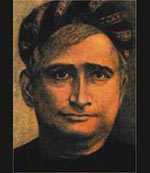
Bankim_chandraBankim Chandra Chattopadhyay (1838 – 1894) Bengali poet, author and journalist. Bankim composed Vande Mataram – which became the national song of India and played a pivotal role in the Indian nationalist movement.
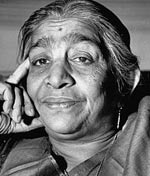
authorSarojini Naidu (1879-1949) Influential Indian author and poet. Known as ‘The Nightingale of India’. Also Indian independence activist, and the second woman to become president of the Indian National Congress.
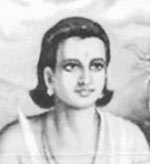
KalidasaKalidasa (4th – 5th Century AD) Classical poet. Kalidasa is considered the greatest poet and dramatist in the Sanskrit language.
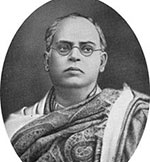
Dwijendra_Lal_RoyDwijendra Lal Roy (1863 – 1913) – Bengali poet and playwright. Wrote over 500 Bengali songs. Influential Indian nationalist, who opposed the partition of Bengal. Also criticised treatment of women by Hindu orthodoxy.
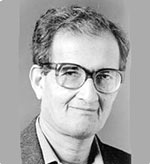
Amartya_SenAmartya Sen (1933- ) an Indian economist who was awarded the Nobel Prize for economics in 1988. He has worked on social choice theory and contributed to the field of development economics.
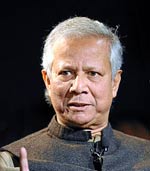
Muhammad_YunusMuhammad Yunus (1940 – ) Nobel Peace Prize 2006 for his work on Micro-lending and helping people, especially women to escape poverty through creating small business.
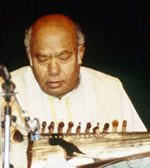
Ali_Akbar_KhanAli Akbar Khan (1922-2009) – Sarod Player. Khan popularised Indian classical music in the West and often played with Ravi Shankar
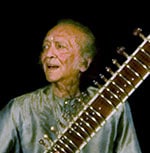
Ravi_ShankarRavi Shankar (1920 – 2012) – Sitar player. Shankar was a sitar virtuoso and composer. He played all around the world and helped to popularise Indian classical music in the west.

Famous Indian spiritual and religious figures

Famous Indian spiritual and religious figures

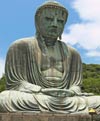
100buddha-daibatsuLord Buddha (c 560BC – c 460BC) – Founder of Buddhism. Gave up the comforts of being a Prince in a palace to seek enlightenment in the forests. After gaining the experience of Nirvana, Lord Buddha spent many years travelling India teaching his philosophy of enlightenment and peace.
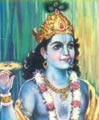
krishnaSri Krishna – The hero of India’s classic – the Bhagavad Gita. It was Sri Krishna who taught to Arjuna the sublime philosophy of yoga contained in the Gita. It was Sri Krishna who brought religion and spirituality to everyone. Sri Krishna also developed a new path of yoga – bhakti yoga, the yoga of devotion.
Arjuna was one of the greatest warriors of his age and a key figure in the Mahabharata. Arjuna was directed by Sri Krishna on the battlefield of Kurukshetra.
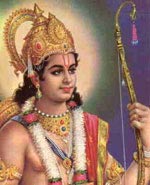
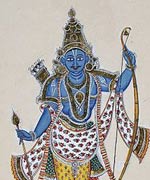
Sri Ramachandra considered the seventh Avatar of Vishnu. Rama’s life is held as an example of the perfect devotion to dharma. His life and teachings are incorporated in the Ramayana, which tells of his exploits and adventures against the demon Ravana.
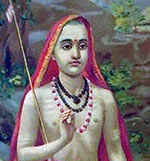
SankaracharyaAdi Shankara (9th Century AD) Shankaracharya was a noted spiritual teacher and philosopher. He spread a philosophy of Advaita Vedanta, which stresses the underlying unity of creation. He also founded the Dashanami monastic order
Guru Nanakguru nanak (1469-1539) Spiritual Guru and founder of Sikhism. Nanak was born in a Hindu family but taught God was beyond religious distinction and sought to teach that God was in all.
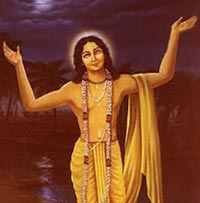
Sri Chaitanya (1486–1534) a devotee of Lord Krishna. Chaitanya revitalised the ‘bhakti’ movement of devotional yoga
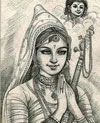
mirabaiMirabai (c. 1498 – c. 1557) A Hindu princess who forsook Royal privileges to become a saint and devote her life to Lord Krishna. She composed many devotional bhajans.
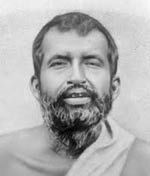
Sri Ramakrishna (1836 – 1886) was an influential Bengali mystic and spiritual Guru. Ramakrishna practised an intense spiritual sadhana – through his experience, he believed that all religions led to the same goal of God-realisation.
vivekanandaSwami Vivekananda (1863 – 1902 ) – The indomitable spirit of Swami Vivekananda awoke in his fellow Indians a renewed sense of pride and self-belief. Vivekananda embodied both the spirituality of ancient India and the dynamism of the West. He became renowned in the West after his inspirational message of religious tolerance was heard at the World Parliament of Religions 1893.
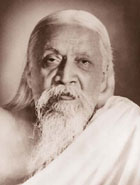
sri_aurobindoSri Aurobindo (1872 – 1950) One of the key figures in the early Indian Independence movement, Aurobindo initiated early efforts at full independence. After his trial, he retreated to Pondicherry to concentrate on spiritual quest and writing epics such as Savitri and Life Divine.
Paramahansa Yogananda (1893 – 1952) was a popular spiritual Teacher, who came to the West in the 1920s. Yogananda was a disciple of Sri Yukteswar and was responsible for the early spread of Hindu yoga in the US.
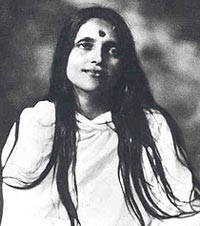
Anandamayi Ma (1896 – 1982) a Hindu saint from Bengal. Many followers and observers found her to be often in a divinely intoxicated state. Healing and other miracles have been attributed to her.
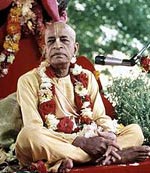
A. C. Bhaktivedanta Swami Prabhupada (1896-1977) is the founder of the International Society for Krishna Consciousness (ISKCON)
Sri Chinmoy (1931-2007) born in India, Sri Chinmoy spent 20 years in the Sri Aurobindo Ashram before coming to the US in 1964. He established meditation centres around the world and created the Sri Chinmoy Oneness-Home Peace Run.

Thursday, August 30, 2018

Dr. A.P.J. Abdul Kalam :-) The pearl of Indian soil known for his legacy in Indian missile technology

Dr. Avul Pakir Jainulabdeen Abdul Kalam 

              :-) The pearl of Indian soil 

                    known for his legacy in  Indian missile technology


A.P.J. Abdul Kalam, in full Avul Pakir Jainulabdeen Abdul Kalam, (born October 15, 1931, Rameswaram, India—died July 27, 2015, Shillong), Indian scientist and politician who played a leading role in the development of India’s missile and nuclear weapons programs. He was president of India from 2002 to 2007.


Kalam earned a degree in aeronautical engineering from the Madras Institute of Technology and in 1958 joined the Defence Research and Development Organisation (DRDO). He soon moved to the Indian Space Research Organisation, where he was project director of the SLV-III, India’s first indigenously designed and produced satellite launch vehicle. Rejoining DRDO in 1982, Kalam planned the program that produced a number of successful missiles, which helped earned him the nickname “Missile Man.”

From 1992 to 1997 Kalam was scientific adviser to the defense minister, and he later served as principal scientific adviser (1999–2001) to the government with the rank of cabinet minister. His prominent role in the country’s 1998 nuclear weapons tests established Kalam as a national hero, although the tests caused great concern in the international community. In 1998 Kalam put forward a countrywide plan called Technology Vision 2020, which he described as a road map for transforming India from a less-developed to a developed society in 20 years. The plan called for, among other measures, increasing agricultural productivity, emphasizing technology as a vehicle for economic growth, and widening access to health care and education.

In 2002 India’s ruling National Democratic Alliance (NDA) put forward Kalam to succeed outgoing President Kocheril Raman Narayanan. Kalam was nominated by the Hindu nationalist (Hindutva) NDA even though he was Muslim, and his stature and popular appeal were such that even the main opposition party, the Indian National Congress, also proposed his candidacy. Kalam easily won the election and was sworn in as India’s 11th president, a largely ceremonial post, in July 2002. He remained committed to using science and technology to transform India into a developed country. In 2007 Kalam left office and was succeeded by Pratibha Patil, the country’s first woman president.
Kalam wrote several books, including an autobiography, Wings of Fire (1999). Among his numerous awards were two of the country’s highest honours, the Padma Vibhushan (1990) and the Bharat Ratna (1997).

Other awards and honours

Year of award or honourName of award or honourAwarding organisation
2014Doctor of ScienceEdinburgh University, UK
2013Von Braun AwardNational Space Society
2012Doctor of Laws (Honoris Causa)Simon Fraser University
2011IEEE Honorary MembershipIEEE
2010Doctor of EngineeringUniversity of Waterloo
2009Honorary DoctorateOakland University
2009Hoover MedalASME Foundation, USA
2009International von Kรกrmรกn Wings AwardCalifornia Institute of Technology, USA[174]
2008Doctor of Engineering (Honoris Causa)Nanyang Technological University, Singapore[175]
2008Doctor of Science (Honoris Causa)Aligarh Muslim University, Aligarh
2007Honorary Doctorate of Science and TechnologyCarnegie Mellon University
2007King Charles II MedalRoyal Society, UK
2007Honorary Doctorate of ScienceUniversity of Wolverhampton, UK
2000Ramanujan AwardAlwars Research Centre, Chennai
1998Veer Savarkar AwardGovernment of India
1997Indira Gandhi Award for National IntegrationIndian National Congress
1997Bharat RatnaGovernment of India
1995Honorary FellowNational Academy of Medical Sciences
1994Distinguished FellowInstitute of Directors (India)
1990Padma VibhushanGovernment of India
1981Padma BhushanGovernment of India

Thursday, August 16, 2018

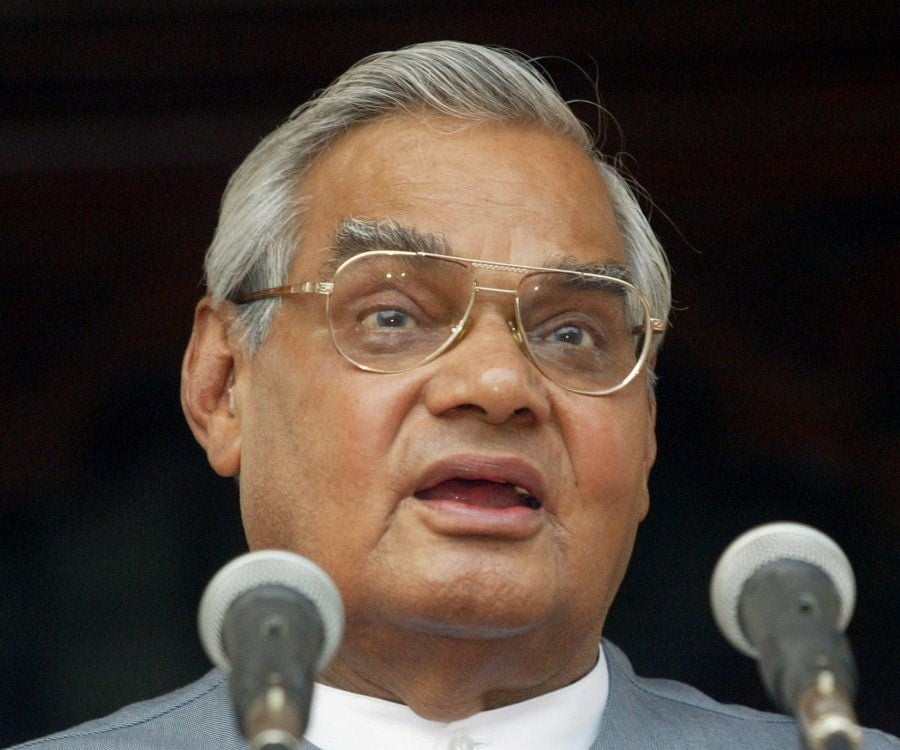
Atal Bihari Vajpayee

                           Birthday: December 251924
                               Nationality: Indian
                 Famous: Quotes By Atal Bihari Vajpayee Prime Ministers
Sun Sign: Capricorn
Died At Age: 93
Born In: Gwalior
Famous As: Former Prime Minister Of India
Height: 1.68 M
Political Ideology: Bharatiya Janata Party (1980–Present)
Father: Krishna Bihari Vajpayee
Mother: Krishna Devi
Siblings: Prem
Religion: Hinduism
Died On: August 162018
Place Of Death: New Delhi
Founder/Co-Founder: Jana Sangh
Net Worth: $2 Million As Of Jan 15, 2017

Atal Bihari Vajpayee

 Atal Bihari Vajpayee was a highly respected
veteran politician who had served as the Prime Minister of India in three non-consecutive terms. He was a member of the Indian Parliament for almost five decades; in fact he was the only parliamentarian who had been elected from four different states at different times, namely, Uttar Pradesh, Madhya Pradesh, Gujarat and Delhi. He made his foray into politics during the pre-independence era when he took part in the Quit India Movement which led to his arrest and imprisonment. A true patriot, he was one of the founding members of the erstwhile Bharatiya Jana Sangh, an Indian nationalist party. A multi-faceted personality, he was a very skilled poet with several published poems. Also well known is his love for his native language Hindi—he was the first person to deliver a speech in Hindi at the U.N. General assembly. He was very famous for his oratory skills and held several prestigious positions in Indian politics before being elected the Prime minister. His first stint as the Prime Minister of India lasted for just 13 days. He was again sworn in for the second time after a couple of years. This time too, his government lasted for just over a year. His third stint as the Prime Minister was his most successful one and he served a full term of five years in this position.
Recommended Lists Outside:

Childhood & Early Life
  • Atal Bihari Vajpayee was born into a middle-class family in Gwalior. His father was Krishna Bihari
  •  Vajpayee, a school teacher and poet, and his mother was Krishna Devi.
  • He attended the Saraswati Shishu Mandir and later went to Victoria College from where he 
  • graduated with distinction in Hindi, English and Sanskrit.
  • He enrolled at DAV College, Kanpur to complete his post graduation and earned his M.A. in
  •  Political science.
  • He was a patriot at heart and participated in India’s struggle for freedom even as a 
  • student and edited several nationalist Hindi newspapers.

Political Career
  • He became associated with the Bharatiya Jana Sangh (BJS), a right-wing political party founded
  •  by Syama Prasad Mookerjee in 1951. He became a loyal follower of Mookerjee and supported 
  • him during his fast-unto-death in Kashmir in 1954.
  • Vajpayee was elected to the Lok Sabha for the first time from Balrampur (U.P.) in 1957. 
  • He proved himself to be an excellent orator and gave powerful speeches.
  • He was made the national president of the Jana Sangh in 1968 after the death of 
  • Deendayal Upadhyaya. Over the next few years he worked tirelessly with Nanaji 
  • Deshmukh, Balraj Madhok and Lal Krishna Advani to make the Jana Sangh a prominent presence
  •  in Indian politics.
  • In 1977, the BJS was united with the Bharatiya Lok Dal and the Socialist 
  • Party to form the Janata Party. After the victory of the Janata Party in the general elections, 
  • Vajpayee became the Minister of External Affairs in Prime Minister Morarji Desai’s government.
  • The Janata Party was dissolved following Morarji Desai’s resignation as Prime Minister in 1979. 
  • Vajpayee, in collaboration with Lal Krishna Advani and Bhairon Singh Shekhawat formed the
  •  Bharatiya Janata Party (BJP) in 1980 and became the party’s first president.
  • After the 1984 elections, when BJP was reduced to two seats, Vajpayee worked tirelessly to 
  • build the party and in the next parliamentary elections in 1989 BJP won 88 seats.
  • By 1991, BJP had emerged as the principal opposition party and the party won 120 seats in
  •  1991 parliamentary elections.
  • He became the Leader of the Opposition in Parliament in 1993 and in November 1995 at a 
  • BJP conference in Mumbai, he was declared as the Prime Ministerial candidate of BJP.

Thursday, August 9, 2018

เคฒाเคฒ เคฌเคนाเคฆुเคฐ เคถाเคธ्เคค्เคฐी เค•ी เคฎौเคค :-? เค•ुเค› เค…เคจुเคฎाเคจ


               เคฒाเคฒ เคฌเคนाเคฆुเคฐ เคถाเคธ्เคค्เคฐी เค•ी เคฎौเคค :-? 

                                       เค•ुเค›  เค…เคจुเคฎाเคจ 


เคฏเคนां เคฒाเคฒ เคฌเคนाเคฆुเคฐ เคถाเคธ्เคค्เคฐी เค•ी เคฎौเคค เค•े เค†เคธเคชाเคธ 8 เคทเคก्เคฏंเคค्เคฐ เคนैं
เค…เคธ्เคตीเค•เคฐเคฃ: เคฎैं เค‡เคจเคฎें เคธे เค•िเคธी เคญी เคธिเคฆ्เคงांเคค เค•ा เคธเคฎเคฐ्เคฅเคจ เคฏा เคธเคฎเคฐ्เคฅเคจ เคจเคนीं เค•เคฐเคคे เคนैं। เคฏเคน เค†เคฒेเค– เค•ेเคตเคฒ เคฏเคน เคธूเคšिเคค เค•เคฐเคจे เค•े เคฒिเค เคนै เค•ि เค˜เคŸเคจा เค•े เคชीเค›े เคฏे เค•ाเคฐเคฃ เคนो เคธเค•เคคे เคนैं।

1 9 65 เคฎें เคญाเคฐเคค-เคชाเค• เคฏुเคฆ्เคง เค•े เคฌाเคฆ, เคฒाเคฒ เคฌเคนाเคฆुเคฐ เคถाเคธ्เคค्เคฐी เคจे เคเค• เคธเคฎเคौเคคे เคชเคฐ เคนเคธ्เคคाเค•्เคทเคฐ เค•เคฐเคจे เค•े เคฒिเค เคคाเคถเค•ंเคฆ เค•ी เคฏाเคค्เคฐा เค•ी เคœो เค”เคชเคšाเคฐिเค• เคฐूเคช เคธे 10 เคœเคจเคตเคฐी, 1 9 66 เค•ो เคฏुเคฆ्เคง เคธเคฎाเคช्เคค เค•เคฐ เคฆेเค—ा। เคเค• เคฆिเคจ เคฌाเคฆ, เคตเคน เคฎृเคค เคชाเคฏा เค—เคฏा। เคฏเคน เค†เคฐोเคช เคฒเค—ाเคฏा เค—เคฏा เคฅा เค•ि เคตเคน เคฆिเคฒ เค•े เคฆौเคฐे เคธे เคฎเคฐ เค—เคฏा เคฅा เคฒेเค•िเคจ เคนाเคฒाเคค เคฌेเคนเคฆ เคธंเคฆिเค—्เคง เคฒเค— เคฐเคนे เคฅे। เคนाเคฒ เคนी เคฎें เคถाเคธ्เคค्เคฐी เค•े เคชเคฐिเคตाเคฐ เคจे เคธुเคญाเคท เคšंเคฆ्เคฐ เคฌोเคธ เค•ी เคคเคฐเคน เค˜ोเคทिเคค เคนोเคจे เคธे เคธंเคฌंเคงिเคค เคซाเค‡เคฒों เค•ो เค˜ोเคทिเคค เค•เคฐ เคฆिเคฏा เคนै। เคคเคฌ เคคเค•, เคนเคฎ เค•ेเคตเคฒ เคทเคก्เคฏंเคค्เคฐ เค•े เคคाเคฒाเคฌ เคฎें เค•ूเคฆ เคธเค•เคคे เคนैं เค”เคฐ เคฎเค›เคฒी เค•्เคฏा เคธเคš เคนो เคธเค•เคคी เคนै।

เคฒाเคฒ เคฌเคนाเคฆुเคฐ เคถाเคธ्เคค्เคฐी เค•ी เคฎौเคค เค•े เค†เคธ-เคชाเคธ 8 เคฐเคนเคธ्เคฏ เค”เคฐ เคทเคก्เคฏंเคค्เคฐ เคฏเคนां เคฆिเค เค—เค เคนैं:

1. เค‰เคธเค•ी เคฎृเคค्เคฏु เคฎें เคชเคนเคฒी เคชूเค›เคคाเค› เค•े เคฐिเค•ॉเคฐ्เคก เค•เคนां เคนैं?
เคฐाเคœ เคจाเคฐाเคฏเคฃ เคœांเคš เคธ्เคชเคท्เคŸ เคฐूเคช เคธे เค•िเคธी เคญी เคจिเคท्เค•เคฐ्เคท เค•े เคธाเคฅ เคจเคนीं เค† เคธเค•เคคी เคนै, เคนाเคฒांเค•ि เค‡เคธ เคœांเคš เค•े เคธंเคธเคฆ เค•ी เคชुเคธ्เคคเค•ाเคฒเคฏ เคฎें เค•ोเคˆ เคฐिเค•ॉเคฐ्เคก เคจเคนीं เคนै। เคจिเคท्เค•เคฐ्เคท เค•े เคฌाเคตเคœूเคฆ, เคฏเคน เคช्เคฐเคถ्เคจ เค‰เค ाเคคा เคนै เค•ि เคฐिเคชोเคฐ्เคŸ เค•्เคฏों เค—ुเคฎ เคนै, เคฆเคฌाเคฏा เค—เคฏा เคนै เคฏा เคจเคท्เคŸ เคนो เค—เคฏा เคนै।


2. เค•ोเคˆ เคชोเคธ्เคŸ-เคฎॉเคฐ्เคŸเคฎ เค†เคฏोเคœिเคค เคจเคนीं เค•िเคฏा เค—เคฏा เคฅा। เคฏा เคตเคนां เคฅा?
เค‰เคจเค•ी เคชเคค्เคจी เคฒเคฒिเคคा เคจे เค•เคนा เค•ि เคถเคฐीเคฐ เคจीเคฒा เคฅा เค”เคฐ เคตเคนां เค•เคŸौเคคी เค•े เคจिเคถाเคจ เคฅे। เค…เค—เคฐ เคฏเคน เคถเคฐ्เคฎीเคฒी เคนो เคคो เคถเคฐीเคฐ เคจीเคฒा เคนो เคœाเคคा เคนै। เค…เค—เคฐ เคชोเคธ्เคŸ-เคฎॉเคฐ्เคŸเคฎ เค†เคฏोเคœिเคค เคจเคนीं เค•िเคฏा เค—เคฏा เคฅा, เคคो เคฏे เคธंเค•ेเคค เค•्เคฏों เคนोंเค—े? เค”เคฐ เค…เค—เคฐ เคฏเคน เคฅा, เคฐिเคชोเคฐ्เคŸ เค•เคนां เคนैं?


3. เค•्เคฏा เคฏเคน เคœเคนเคฐीเคฒा เคนो เคธเค•เคคा เคนै?

เค‰เคจเค•े เคจिเคœी เคšिเค•िเคค्เคธเค•, เค†เคฐเคเคจ เคšुเค— เคจे เค•เคนा เคฅा เค•ि เคตเคน เคชूเคฐ्เคฃ เคธ्เคตाเคธ्เคฅ्เคฏ เคฎें เคฅे เค”เคฐ เค…เคคीเคค เคฎें เค•เคญी เคญी เค•ोเคˆ เคฆिเคฒ เคจเคนीं เคฅा। เคเค• เคฆिเคฒ เค•ा เคฆौเคฐा เคฌेเคนเคฆ เค…เคธंเคญเคต เคฒเค— เคฐเคนा เคฅा। เค”เคฐ เคšूंเค•ि เคฆाเคตा เค•िเคฏा เค—เคฏा เคฅा เค•ि เคชोเคธ्เคŸ-เคฎॉเคฐ्เคŸเคฎ เค†เคฏोเคœिเคค เคจเคนीं เค•िเคฏा เค—เคฏा เคฅा, เคคो เคชंเคšเคฐ เค…ंเค• เคœเคนเคฐीเคฒे เคนोเคจे เค•ा เคชเคฐिเคฃाเคฎ เคนो เคธเค•เคคा เคนै


4. เค—เคตाเคนों เค•े เคฌाเคฐे เคฎें เค•्เคฏा?
เคฐाเคค เคถाเคธ्เคค्เคฐी เค•ी เคฎृเคค्เคฏु เค•े เคฆो เค—เคตाเคน เคฅे เค”เคฐ เคตे 1 9 77 เคฎें เคธंเคธเคฆीเคฏ เคจिเค•ाเคฏ เค•े เคธाเคฎเคจे เคนोเคจे เค•े เคฒिเค เคจिเคฐ्เคงाเคฐिเคค เคฅे। เคเค• เคกॉ เค†เคฐเคเคจ เคšुเค— เคฅे, เคœो เคธเคฎिเคคि เค•े เคธाเคฎเคจे เค—เคตाเคนी เคฆेเคจे เค•े เคฐाเคธ्เคคे เคชเคฐ เคฅे เคฒेเค•िเคจ เคเค• เคŸ्เคฐเค• เคจे เคฎाเคฐा เค”เคฐ เค‰เคจเค•ी เคฎृเคค्เคฏु เคนो เค—เคˆ।

เคฆूเคธเคฐा เค‰เคธเค•ा เคจौเค•เคฐ เคฐाเคฎ เคจाเคฅ เคฅा เคœिเคธเคจे เคถाเคธ्เคค्เคฐी เค•े เค˜เคฐ เค•ा เคฆौเคฐा เค•िเคฏा เค”เคฐ เคชเคฐिเคตाเคฐ เค•े เคธเคฆเคธ्เคฏों เค•े เค…เคจुเคธाเคฐ เค‰เคจ्เคนोंเคจे เค•เคนा, "เคฌเคนเคค เคฆीเคจ เค•ा เคฌोเคœ เคฅा, เค…เคฎ्เคฎा। เค†เคœ เคธเคฌा เคฌเคŸा เค‡เคจเค•ाเคฐ เค•เคฐเคคे เคนैं (เคฎैं เค‡เคธ เคฌोเค เค•ो เคฌเคนुเคค เคฒंเคฌा เค•เคฐ เคฐเคนा เคนूं। เคฎैं เค‡เคธे เค†เคœ เค›ोเคก़ เคฆूंเค—ा)। "เคตเคน เคญी เคเค• เค•ाเคฐ เคธे เคฎाเคฐा เค—เคฏा เคฅा। เค‰เคธเค•े เคชैเคฐों เค•ो เค•ुเคšเคฒ เคฆिเคฏा เค—เคฏा เคฅा เค”เคฐ เค‰เคจ्เคนें เค•เคฎ เค•िเคฏा เคœाเคจा เคฅा। เค‰เคธเคจे เค…เคชเคจी เคฏाเคฆเคฆाเคถ्เคค เค–ो เคฆी।


5. เคธीเค†เคˆเค เคเคœेंเคŸ เค•े เคถเคฌ्เคฆ เค•ा เค•्เคฏा?
เคเค• เคชเคค्เคฐเค•ाเคฐ เค—्เคฐेเค—เคฐी เคกเค—เคฒเคธ เคจे เคธीเค†เคˆเค เคเคœेंเคŸ เคฐॉเคฌเคฐ्เคŸ เค•्เคฐॉเคฒी เค•ा เคธाเค•्เคทाเคค्เค•ाเคฐ เค•िเคฏा, เคœिเคจ्เคนोंเคจे เคชुเคท्เคŸि เค•ी เค•ि เคฒाเคฒ เคฌเคนाเคฆुเคฐ เคถाเคธ्เคค्เคฐी เค”เคฐ เคฏเคนां เคคเค• ​​เค•ि เคกॉ। เคนोเคฎी เคญाเคญा (เคญाเคฐเคค เคฎें เคชเคฐเคฎाเคฃु เคตिเคœ्เคžाเคจ เค•े เคชिเคคा) เค•ी เคฎृเคค्เคฏु เคธीเค†เคˆเค เค•ा เค•ाเคฎ เคฅा। เคถाเคธ्เคค्เคฐी เคจे เคชเคฐเคฎाเคฃु เคชเคฐीเค•्เคทเคฃों เค•े เคฒिเค เคนเคฐे เคฐंเค— เค•ी เคฐोเคถเคจी เคฆी เค”เคฐ เค…เคฎेเคฐिเค•ा เค•ो เค‡เคธ เค•्เคทेเคค्เคฐ เคฎें เคธुเคงाเคฐिเคค เคฐाเคœ्เคฏ เค”เคฐ เคญाเคฐเคค-เคฐूเคธी เคช्เคฐเคญुเคค्เคต เค•े เคฐूเคช เคฎें เค‰เคญเคฐเคจे เค•ी เคงเคฎเค•ी เคฆी เค—เคˆ। เคธाเค•्เคทाเคค्เค•ाเคฐ "เคตाเคฐ्เคคाเคฒाเคช เค•े เคธाเคฅ เคฌाเคคเคšीเคค" เคจाเคฎเค• เคชुเคธ्เคคเค• เคฎें เคช्เคฐเค•ाเคถिเคค เค•िเคฏा เค—เคฏा เคฅा।


6. เค•्เคฏा เคฐूเคธी เคฌเคŸเคฒเคฐ เคถाเคฎिเคฒ เคฅा?
เคฌเคŸเคฒเคฐ เคคเคค्เค•ाเคฒीเคจ เคช्เคฐเคงाเคจ เคฎंเคค्เคฐी เค•ी เคธेเคตा เค•เคฐ เคฐเคนा เคฅा เค”เคฐ เคตाเคธ्เคคเคต เคฎें เค—िเคฐเคซ्เคคाเคฐ เค•िเคฏा เค—เคฏा เคฅा। เค‰เคจ्เคนें เคถाเคธ्เคค्เคฐी เคคเค• เค†เคธाเคจी เคธे เคชเคนुंเคš เคฅी เค”เคฐ เคฏเคฆि เคตाเคธ्เคคเคต เคฎें เคตเคน เคœเคนเคฐ เคนो เค—เคฏा เคฅा, เคคो เคฌเคŸเคฒเคฐ เคจिเคถ्เคšिเคค เคฐूเคช เคธे เคเค• เคฌเคก़ा เคธंเคฆिเค—्เคง เคนोเค—ा। เคฒेเค•िเคจ เค‰เคจ्เคนें เคšเคฒเคจे เค•ी เค‡เคœाเคœเคค เคฅी เค”เคฐ เค…เคงिเค•ाเคฐिเคฏों เคจे เค•เคนा เค•ि เคถाเคธ्เคค्เคฐी เค•ो เคนृเคฆเคฏ เค•ी เค—िเคฐเคซ्เคคाเคฐी เคธे เคฎृเคค्เคฏु เคนो เค—เคˆ เคฅी।


7. เคฆिเคฒ्เคฒी เคชुเคฒिเคธ เคจे เคฆเคธ्เคคाเคตेเคœ़ों เค•ी เคชुเคจเคฐ्เคช्เคฐाเคช्เคคि เค•ो เคธंเคญाเคฒเคจे เค•े เคฒिเค เค•्เคฏों เค•เคนा เคฅा?
เค—ृเคน เคฎंเคค्เคฐाเคฒเคฏ เคจे เค˜เคŸเคจा เค•े เค†เคงाเคฐ เคชเคฐ เค•िเคธी เคญी เคฆเคธ्เคคाเคตेเคœ เคฏा เคœाเคจเค•ाเคฐी เค•ो เคชुเคจः เคช्เคฐाเคช्เคค เค•เคฐเคจे เค•े เคฒिเค เค‡เคธ เคฎाเคฎเคฒे เค•ो เคฆिเคฒ्เคฒी เคชुเคฒिเคธ เค”เคฐ เคฐाเคท्เคŸ्เคฐीเคฏ เค…เคญिเคฒेเค–ाเค—ाเคฐ เค•ो เคธंเคฆเคฐ्เคญिเคค เค•िเคฏा। เคถाเคธ्เคค्เคฐी เค•े เคฌेเคŸे เคจे เค•เคนा เค•ि เคฏเคน "เคฌेเคคुเค•ा เค”เคฐ เคฎूเคฐ्เค–" เคฅा เค•ि เค•ैเคธे เคฌैเค े เคช्เคฐเคงाเคจ เคฎंเคค्เคฐी เค•ी เคฎृเคค्เคฏु เค‰เคš्เคš เค…เคงिเค•ाเคฐिเคฏों เค•ी เคฌเคœाเคฏ เคœिเคฒा เคธ्เคคเคฐ เคชुเคฒिเคธ เคฆ्เคตाเคฐा เค•ी เค—เคˆ เคฅी।


8. เค†เคฐเคŸीเค†เคˆ เค•े เคฌाเคฐे เคฎें เค•्เคฏा?
เค…เคจुเคœ เคงเคฐ (เคฆเค•्เคทिเคฃ เคเคถिเคฏा เคชเคฐ เคธीเค†เคˆเค เค•ी เค†ंเค– เค•े เคฒेเค–เค•) เคจे เคชीเคเคฎ เค•ी เคฎौเคค เคธे เคธंเคฌंเคงिเคค เคเค• เค†เคฐเคŸीเค†เคˆ เคฆाเคฏเคฐ เค•ी। เคฒेเค•िเคจ เคชीเคเคฎเค“ เคจे เคœเคตाเคฌ เคฆिเคฏा เค•ि เค•ेเคตเคฒ เคเค• เคตเคฐ्เค—ीเค•ृเคค เคฆเคธ्เคคाเคตेเคœ เคฅा เคœिเคธे เค˜ोเคทिเคค เคจเคนीं เค•िเคฏा เคœा เคธเค•ा เค•्เคฏोंเค•ि เค‡เคธเคธे เคตिเคฆेเคถी เคธंเคฌंเคงों เคฎें เคฌाเคงा เค† เคธเค•เคคी เคนै।

เค•ुเคฒเคฆीเคช เคจाเคฏเคฐ เค•ो เคเค• เค…เคฒเค— เคช्เคฐเคคिเค•्เคฐिเคฏा เคฆी เค—เคˆ, "เคญाเคฐเคค เค•े เคชूเคฐ्เคต เคช्เคฐเคงाเคจ เคฎंเคค्เคฐी เคฒाเคฒ เคฌเคนाเคฆुเคฐ เคถाเคธ्เคค्เคฐी เค•ी เคฎृเคค्เคฏु เคธे เคธंเคฌंเคงिเคค เค•ोเคˆ เคญी เคฐिเค•ॉเคฐ्เคก เค‡เคธ เคœिเคฒे เคฎें เค‰เคชเคฒเคฌ्เคง เคจเคนीं เคนै ... เค‡เคธเคฒिเค เคจเคˆ เคฆिเคฒ्เคฒी เคœिเคฒे เคธे เคธंเคฌंเคงिเคค เค†เคตเคถ्เคฏเค• เคœाเคจเค•ाเคฐी เค•ा เค‡เคฒाเคœ เค•िเคฏा เคœा เคธเค•เคคा เคนै เคถूเคจ्เคฏ เค•े เคฐूเคช เคฎें। "
เค‰เคจ्เคนोंเคจे 1 9 65 เค•े เคฏुเคฆ्เคง เคฎें เคฐाเคท्เคŸ्เคฐ เค•ो เคœीเคค เคนाเคธिเคฒ เค•ी। เค‰เคจเค•ा เคจाเคฐा, 'เคœเคฏ เคœเคตाเคจ เคœเคฏ เค•िเคธाเคจ', เคนเคฎाเคฐी เคฏुเคฆ्เคง เคฐोเคจा เคฌเคจ เค—เคฏा। เค‰เคจเค•ी เคฎृเคค्เคฏु เค•े เคชीเค›े เคฐเคนเคธ्เคฏ เคฎें เค•เคˆ เคฎोเคก़ 11 เคœเคจเคตเคฐी, 1 9 66 เค•ी เคฐाเคค เคธे เคคाเคถเค•ंเคฆ เคฎें เคนुเค เคฅे।
เค…เค—เคฐ เคธเคฐเค•ाเคฐ เค‰เคจเค•ी เคฎृเคค्เคฏु เคชเคฐ เคฆเคธ्เคคाเคตेเคœों เค•ो เค˜ोเคทिเคค เค•เคฐเคจा เคฅा, เคคो เค‰เคจเค•े เคชเคฐिเคตाเคฐ เค”เคฐ เคญाเคฐเคคीเคฏ เคœเคจเคคा เค•ो เคนเคฎाเคฐे เคฆूเคธเคฐे เคช्เคฐीเคฎिเคฏเคฐ เค•ी เคฎृเคค्เคฏु เค•े เคฌाเคฐे เคฎें เค•ुเค› เคฎเคนเคค्เคตเคชूเคฐ्เคฃ เคธเคฌूเคค เคฏा เคœाเคจเค•ाเคฐी เคฎिเคฒ เคธเค•เคคी เคนै

Please share and subscribe my blog for more such news

SSC Recruitment 2018: Centre to fill over 1,100 vacant posts in different departments

SSC Recruitment 2018: Centre to fill over 1,100 vacant posts in different departments The Staff Selection Commission (SSC) is all...